ITM Best Practices & the Future of Self-Service Banking
In part six of Adrenaline’s ITM series, we review ways for banks to take full advantage of ITM’s potential and look at the future of this transformative technology
Interactive Teller Machines (ITMs) revolutionize financial institutions by enabling strategic self-service delivery that balances efficiency with personalization. By shifting up to 75% of transactions to self-service while maintaining human support, ITMs allow banks to expand their reach, reduce costs, and meet evolving consumer expectations.
Proven satisfaction rates: 70% of banking decision-makers report being extremely satisfied with their ITM implementations, with strong adoption across all age demographics.
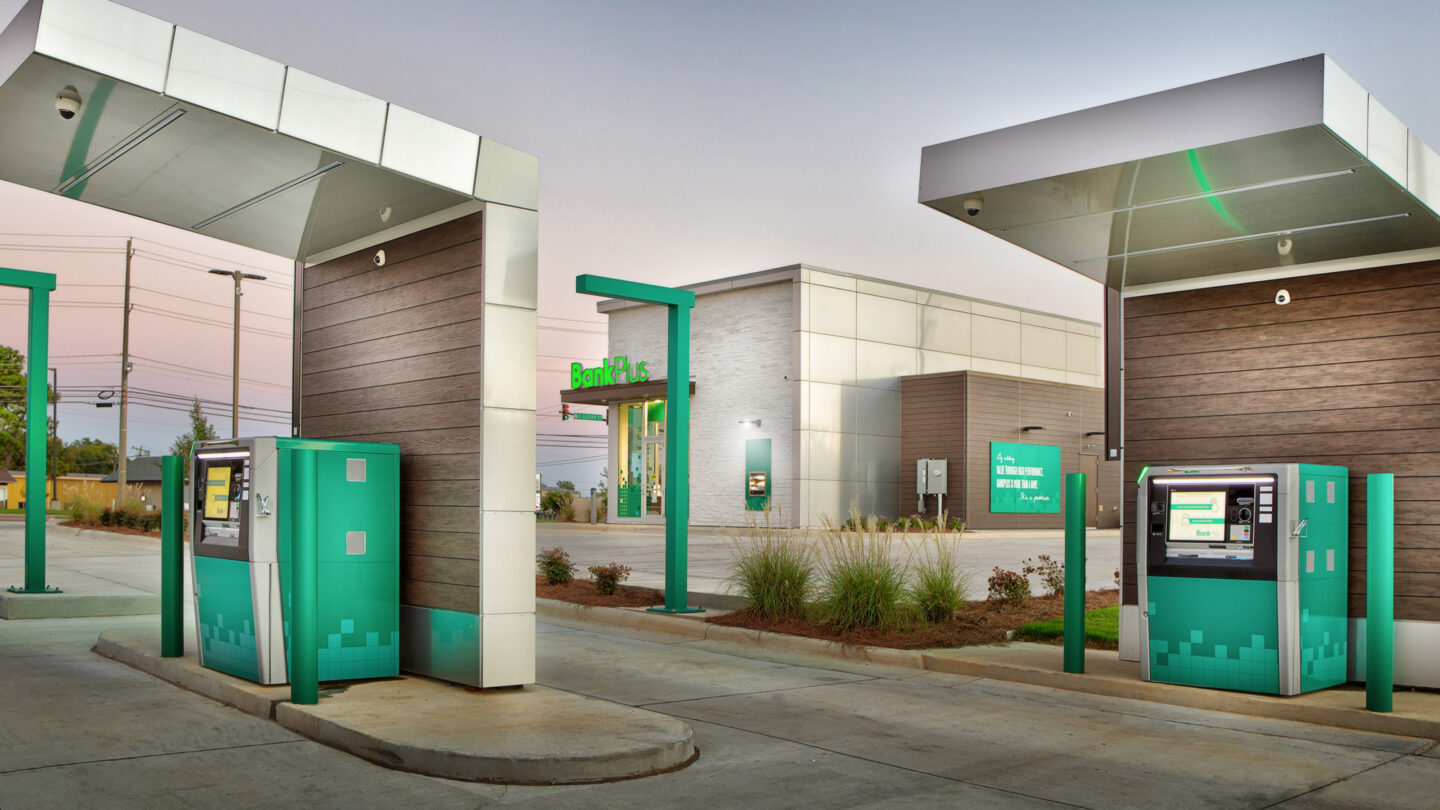
Strategic location drives success: Drive-thru lanes, vestibules, remote kiosks, and hub-and-spoke models each serve distinct consumer needs while functioning as brand beacons that signal commitment to accessible, modern banking.
Integration unlocks full potential: Complete core system integration enables comprehensive self-service capabilities, while partial integration still delivers value but requires more back-end FTE support.
Long-term adoption curves matter: Plan for 12-24 month adoption periods and measure utilization trends over quarters rather than weeks to accurately assess ROI.
ITM Best Practices & the Future of Self-Service Banking
Interactive Teller Machines (ITMs) are reshaping how financial institutions deliver personalized service at scale. As consumer expectations evolve and operational efficiency becomes paramount, ITMs offer a compelling solution that bridges the gap between traditional branch banking and fully automated self-service. Understanding how to deploy, integrate, and optimize these systems can determine whether your institution merely keeps pace with the market or defines it.
What Is an ITM?
Interactive Teller Machines have all the benefits of an ATM, plus expanded functionality beyond basic transactions. ITMs can provide the conveniences consumers have come to expect from an ATM (like cash withdrawals, check deposits, and balance inquiries), plus access to live video tellers for more complex banking needs, like opening accounts and applying for loans or credit.
ITMs empower self-directed banking. Consumers choose how they want to interact at every touchpoint, whether that’s completing a simple transaction independently or connecting with a live teller for guidance on more complex financial decisions. The technology adapts to the customer, not the other way around.
Why Financial Institutions Are Investing in ITMs
The business case for ITMs extends well beyond the buzzword appeal of digital transformation. This humanized, flexible option allows financial institutions to shift up to 75% of transactions while meeting customers’ needs more quickly, seamlessly, and in more places than ever.
What’s better is that data confirms ITM’s value for business success and customer satisfaction. Of those banks and credit unions that have employed ITMs, 52% of decision-makers are extremely satisfied with their use altogether. That satisfaction crosses generational divides: ITMs resonate equally with digital-native millennials seeking convenience and older members who value the option of human guidance when they need it.
The efficiency gains are equally impressive. ITMs reduce costs by leveraging remote tellers who are not tied to specific local branches but can serve multiple ITMs across wide geographic areas with significantly reduced cost per transaction. This model allows institutions to maintain a human touch across expanded service areas without the overhead of fully staffed branch locations, delivering both margin improvement and enhanced member experience.
Location is one of the most hotly contested ITM topics, but some clear best practices stand out, with access being the primary consideration. By having ITMs in prime locations, banks can continue to build their brand influence in the market. For consumers and institutions alike, ITMs can deliver the ideal balance of efficiency and experience that helps future-proof successful banking relationships.
To break this down further, successful ITM deployment hinges on several key principles:
Strategic location selection: Drive-thru lanes, remote kiosks, vestibules, and microbranch locations each serve distinct consumer needs
Prominent brand presence: ITMs function as brand beacons that signal your institution’s commitment to accessible, modern banking
Balance of efficiency and experience: The goal isn’t to eliminate human interaction, but to offer it where and when customers value it most
Integration with core systems: Full integration unlocks the complete range of self-service capabilities
Thoughtful staff training: Employees must understand not just how ITMs work, but why they enhance rather than diminish the customer relationship
Where to Locate ITMs
If you’re wondering where to place ITMs, the research shows one determinant: location. Businesses can place ITMs in drive-thrus, vestibules, remote kiosks, and hub-and-spoke models, depending on the branch’s location and transaction volumes.
Drive-Thru Lanes
Drive-thru lanes remain the highest-traffic option for most institutions. Consumers already expect convenient vehicle access for routine transactions, and adding ITM functionality to these lanes enhances service without disrupting established traffic patterns.
Vestibules
Placing ITMs in vestibules is another preferred approach, as they offer 24/7 access in a secure, weather-protected environment. This location strategy works particularly well in urban markets where foot traffic is high and parking is limited. Vestibules extend your service hours without the security concerns of fully exterior-facing machines.
Remote Kiosks
Remote kiosks serve as strategic extensions of your branch network, placing ITMs in high-traffic retail locations, employment centers, or underserved neighborhoods. Like microbranches, ITMs act as brand beacons that deliver on consumer preference for branches nearby, ultimately driving more deposit share.
Hub-and-Spoke Model
The hub-and-spoke model has emerged as particularly effective for institutions managing branch consolidation. ITMs act as “dot connectors” between full-service branches, maintaining presence in communities even as you optimize your physical footprint. Even when branches close, they leave behind an ITM location that preserves accessibility and reinforces your commitment to the community at a fraction of the cost of maintaining a full microbranch.
“We’re not trying to replace human interaction. When a customer makes a decision to drive to us, get out of their car, and walk into the branch, why miss the chance to reinforce why they love us by pushing them to a machine? Put the machine where they’ve chosen a more convenient way to interact.”
Technology deployment succeeds or fails based on adoption. Staff training forms the foundation of a successful ITM rollout. Employees must be engaged with a robust training program that teaches not only how to use ITMs, but also why customers use them and how that promotes opportunities to make rich connections with customers and members. When the staff understands that ITMs handle routine transactions, they can focus on building relationships and providing complex financial guidance.
Before deploying ITMs, banks and credit unions can’t forget the initial consumer experience step: attracting and educating the customer. Branding and digital signage communicate value before consumers even approach the machine. Clear messaging about expanded capabilities, extended hours, and live teller access sets appropriate expectations. Signage should emphasize what’s possible, not just what’s automated.
“Our members love the ITMs when they’re taught how to use them. You don’t have to be a digital native to use them. If you can use an ATM, you can use the ITM.”
– EVP & Chief Retail Officer, Community Bank
While these implementation strategies are effective, they require time to gain momentum. Plan for a 12-24 month adoption curve. Early hesitation among staff and consumers is normal and typically resolves as familiarity builds, so measuring utilization trends over quarters (rather than weeks) provides a more accurate picture of true adoption.
What Consumers Love About ITMs
On the consumer side, the benefits of ITMs are both clear and immediate, centering around convenience and a better banking experience. Their consumer value proposition extends across multiple dimensions:
Expanded banking hours: Service availability that extends beyond traditional branch schedules, including evenings and weekends
Convenience and safety of drive-up banking: Complete complex transactions without leaving your vehicle
Teller guidance for less tech-savvy customers: Live support available at the touch of a button eliminates intimidation
Multi-lingual teller choice: Access to specialists who speak your preferred language, regardless of local branch staffing
Easy ID verification if card is lost/stolen: Video interaction enables secure identity confirmation without physical cards
Faster transactions: Reduced wait times compared to peak-hour branch visits
‘Closer-to-me’ access with remote ITMs: Banking services in your neighborhood, workplace, or shopping area
Their success in preserving relationships deserves particular emphasis. An EVP at a financial institution implementing ITMs in place of closed branches noted that maintaining these touchpoints allowed them to sustain member relationships even as they optimized their physical footprint. The presence, even in automated form with human backup, signals commitment.
According to the ABA Journal, “The benefit of ITM costs lie[s] in staff reduction. Almost every respondent using the technology cited an immediate ability to reduce overall staff levels, even net of any add-backs in the call center.”1
Core Integration Considerations
ITM integration can look a little different for everyone, but one truth applies to every financial institution: The degree of integration between your ITM network and core banking systems directly determines the breadth of self-service capabilities you can offer.
Full integration unlocks the complete potential of ITM technology. When systems communicate seamlessly, consumers can open accounts, apply for loans, update personal information, and execute complex transactions entirely through self-service. The ITM becomes a true branch alternative rather than an enhanced ATM.
On the other hand, partial integration still delivers value but requires more full-time equivalent (FTE) support on the back end. Transactions may need manual verification, applications might require follow-up processing, and some services remain unavailable through the ITM channel. The technology still extends your reach and improves convenience, but doesn’t achieve the full efficiency gains that complete integration enables.
The integration decision isn’t all-or-nothing. Many institutions phase their approach, starting with core transaction capabilities and progressively adding more complex services as their technical infrastructure and staff comfort levels evolve.
The trajectory of self-service banking points toward increasingly sophisticated technology that feels increasingly human. ITMs represent a step in that evolution, but they’re not the endpoint.
ATM-as-a-Service models allow institutions to outsource the hardware, maintenance, and even some compliance aspects of their self-service networks. This shift from capital expenditure to operational expense makes advanced ITM technology accessible to smaller institutions that might otherwise struggle with the upfront investment.
AI integration will progressively enhance the ITM experience, offering personalized product recommendations, proactive financial guidance, and predictive service based on transaction patterns, all while maintaining the option of human escalation when needed. And, biometric authentication will eliminate the friction of forgotten PINs and lost cards, making ITM access as seamless as unlocking your smartphone.
The fundamental principle remains constant: the holy grail of banking technology isn’t efficiency or experience: it’s both, simultaneously. ITMs deliver on that promise by empowering consumers to choose their level of interaction at every touchpoint. The institutions that will thrive in this evolving landscape recognize that human service and technology are complementary rather than competing priorities and build their service delivery models accordingly.
Ready to explore how ITMs can transform your branch strategy? Adrenaline helps financial institutions design, deploy, and optimize self-service banking solutions that balance efficiency with positive member experience. Contact us to talk about what’s possible for your institution.
1Reider, S. (2020, March 17). Despite Slow Pace of Adoption, Banks Are Interested in ITMs. ABA Banking Journal.
Adrenaline is an end-to-end brand experience company serving the financial industry. We move brands and businesses ahead by delivering on every aspect of their experience across digital and physical channels, from strategy through implementation. Our multi-disciplinary team works with leadership to advise on purpose, position, culture, and retail growth strategies. We create brands people love and engage audiences from employees to customers with story-led design and insights-driven marketing; and we design and build transformative brand experiences across branch networks, leading the construction and implementation of physical spaces that drive business advantage and make the brand experience real.