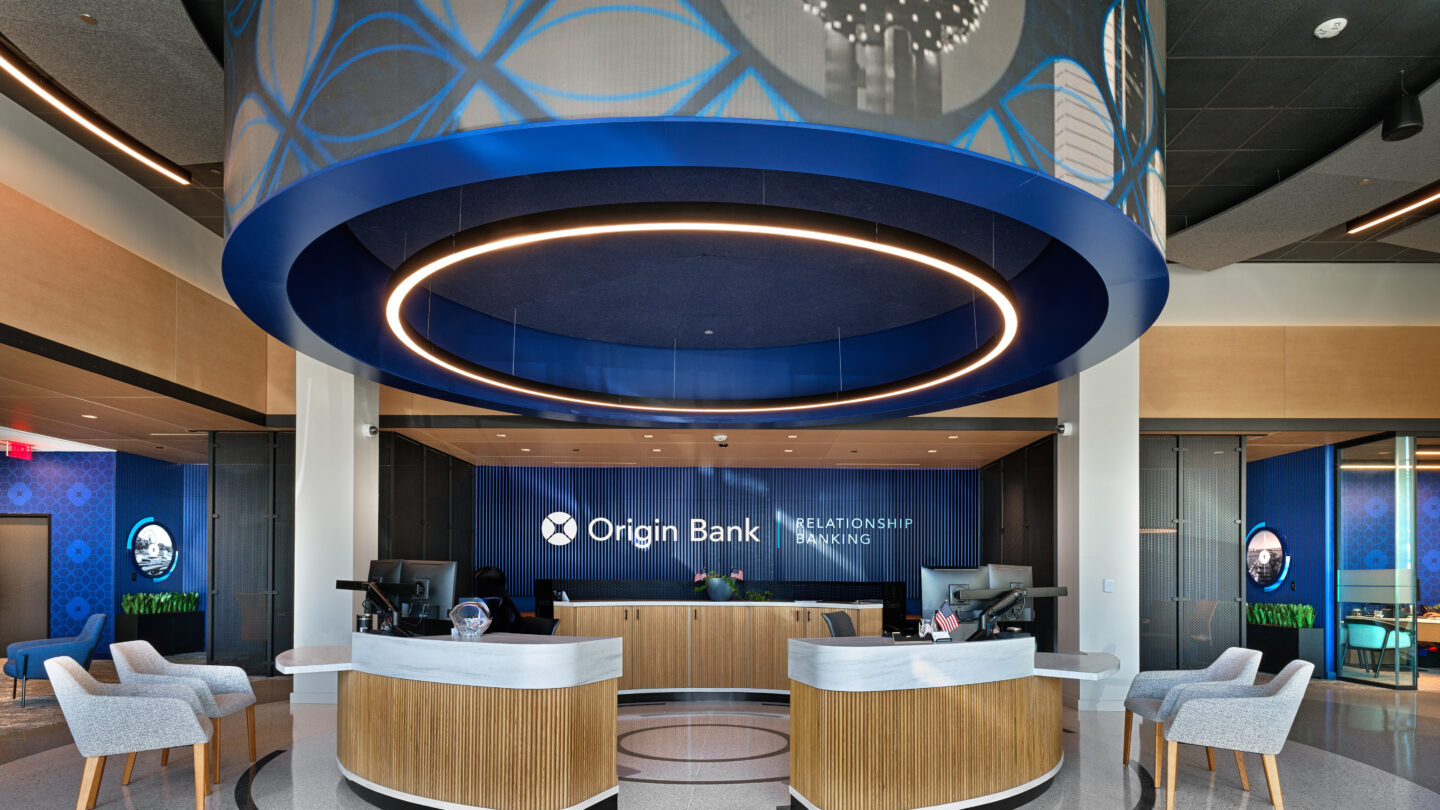
For more than two decades, the most heated debate across the banking industry has been whether the branch is still relevant in an increasingly digital era. While it’s true that banking transactions have largely migrated to digital channels, the branch remains the locus of growth for most successful banks and credit unions. In fact, 72% of banking leaders say they would still invest in their branches even if there were zero transactions taking place in them, according to recent data from Adrenaline. Digital channels have transformed how people bank, but branches remain an essential channel for winning primary financial relationships.
Consumers value the branch – consistently reporting wanting one nearby and seeking out in-person guidance for important financial decisions. Even more, branches represent stability and trust in the consumer’s mind. But are branches living up to everything that consumers expect from them? These are the themes Gina Bleedorn, President and CEO of Adrenaline, explored during her presentation at BankSpaces 2026, where she challenged the audience to think beyond whether branches matter and focus instead on how they perform. She asks, “The real question is, are you building the right branches, and are they doing the work they need to do?”
Building Brand Trust
As digital banking experiences become more advanced, consumers are placing greater value on physical environments that communicate credibility, stability, and human connectivity. As one industry study noted, branches represent “trust and safety” in a world where the line between real and artificial experiences is becoming increasingly blurred. Brought forward through branch design, visual experience functions as a trust accelerator, helping institutions establish credibility and reinforce brand values before a banker says a single word. That is why branch design should no longer be viewed as an aesthetic exercise, but as a strategic business tool.
Design That Delivers
While every institution’s branch strategy is based on their unique organizational goals, the most effective visual experiences accomplish three objectives: help institutions be seen, be relevant, and be different. Before a banker ever greets a customer, the physical environment is already shaping perceptions and influencing whether consumers connect to the banking brand. Together, the three visual design principles provide a framework for transforming branches from transactional spaces into strategic assets that build trust, strengthen relationships, and drive growth.
1) Be Seen
If consumers do not notice a branch, nothing else matters. Physical presence remains one of the chief drivers of awareness and consideration, particularly in highly competitive markets. Yet visibility is not simply a function of branch signage or network density. Effective brand expression is also shaped by how effectively each location communicates the brand as a whole.
Exterior architecture, signage, lighting, drive-up and ATM experiences, and storefront visibility all contribute to consumer perceptions of market presence. When thoughtfully designed, branches become beacons, highly visible brand assets that consistently support awareness. For institutions seeking growth, the goal is not more locations but ensuring each branch serves as a visible expression of the brand.
2) Be Relevant
Once consumers notice a location, they must immediately sense that the branch is designed for them. Relevance is created when branch environments connect with the needs, expectations, and aspirations of the audiences they want to serve. That means creating spaces that support advisory conversations rather than transactions, incorporating local community elements, and designing experiences that reflect the preferences of emerging consumer segments.
The most successful financial institutions recognize that branches are communication platforms. Every design decision reveals something about who the institution serves, what it values, and what customers can expect from the relationship. When branches successfully connect with their intended audiences, banking brands create an immediate sense of relevance that strengthens engagement from the moment customers walk through the door.
3) Be Different
While many banks and credit unions succeed at visibility and relevance, far fewer create experiences that are truly distinctive. But differentiation is essential in markets where banking products and services increasingly look the same. If a branch environment feels interchangeable with competitors, the institution risks competing on the same terms as everyone else. This is where a bank’s brand can become a strategic advantage.
The strongest branch experiences translate brand positioning into the physical space through architecture, materials, color, storytelling, merchandising, graphics, and localization. Every design element reinforces a distinctive brand identity that customers can recognize and remember. When visual experience reflects a differentiated brand promise, branches become places that deepen connection and reinforce choice.
ROI of Visual Experience in Bank Branches
With branch strategy, unrealized opportunities are tough to measure directly. Banks and credit unions can calculate deposits, loans, and account openings that actually happen. What is harder to quantify are the customers who never walk through the door, the conversations that never happen, and the relationships that never begin. Visual experience can directly influence those desired outcomes.
A stronger first impression improves consideration. Focused trust-building supports acquisition. Better conversations increase advisory engagement and cross-sell opportunities. Stronger relationships contribute to customer retention and long-term growth. Viewed through that lens, branch design is not simply about creating attractive spaces – it’s about creating environments that help financial institutions build relationships at scale.
“The future of banking isn’t a choice between digital and physical,” according to Gina. “It’s about understanding the role each plays in building relationships.” The reality is that digital channels facilitate banking, but branches build trust. In other words, digital is how customers bank, while branches are how customers choose their bank. “When financial institutions recognize visual experience as a trust accelerator, they can transform every location into a stronger driver of acquisition, engagement, and market share.”
To learn more about branch transformation in financial services and strategic solutions for your bank or credit union, get in touch with Adrenaline’s brand experience experts today.
Adrenaline is an end-to-end brand experience company serving the financial industry. We move brands and businesses ahead by delivering on every aspect of their experience across digital and physical channels, from strategy through implementation. Our multi-disciplinary team works with leadership to advise on purpose, position, culture, and retail growth strategies. We create brands people love and engage audiences from employees to customers with story-led design and insights-driven marketing; and we design and build transformative brand experiences across branch networks, leading the construction and implementation of physical spaces that drive business advantage and make the brand experience real.