For the past two decades, industry headlines reflected doom and gloom around the branch, ultimately predicting the channel’s demise. Digital adoption accelerated, transaction volumes migrated, and many institutions questioned the role of physical locations in an increasingly digital world. But despite shifting preferences for banking convenience, branching continues to be a core component of institutional growth. For consumers, the branch remains the preferred place for personalized advice and complex conversations. For banks and credit unions, the branch is one of the most powerful drivers of customer acquisition and relationship growth.
Today, big banks (smaller ones, too) are opening new locations, renovating existing branches, and reimagining how their network can support scale. At the same time, branch growth has turned positive for the first time in more than a decade. Now, the conversation is no longer about whether branches matter, but how banks and credit unions can maximize their return on these investments. In a recent presentation at Bank Director’s Bank C-Suite Summit, Adrenaline’s Chief Experience Officer Juliet D’Ambrosio explored the forces driving the branch renaissance and opportunities to close the gap between branch potential and branch performance.
New Branch Purpose
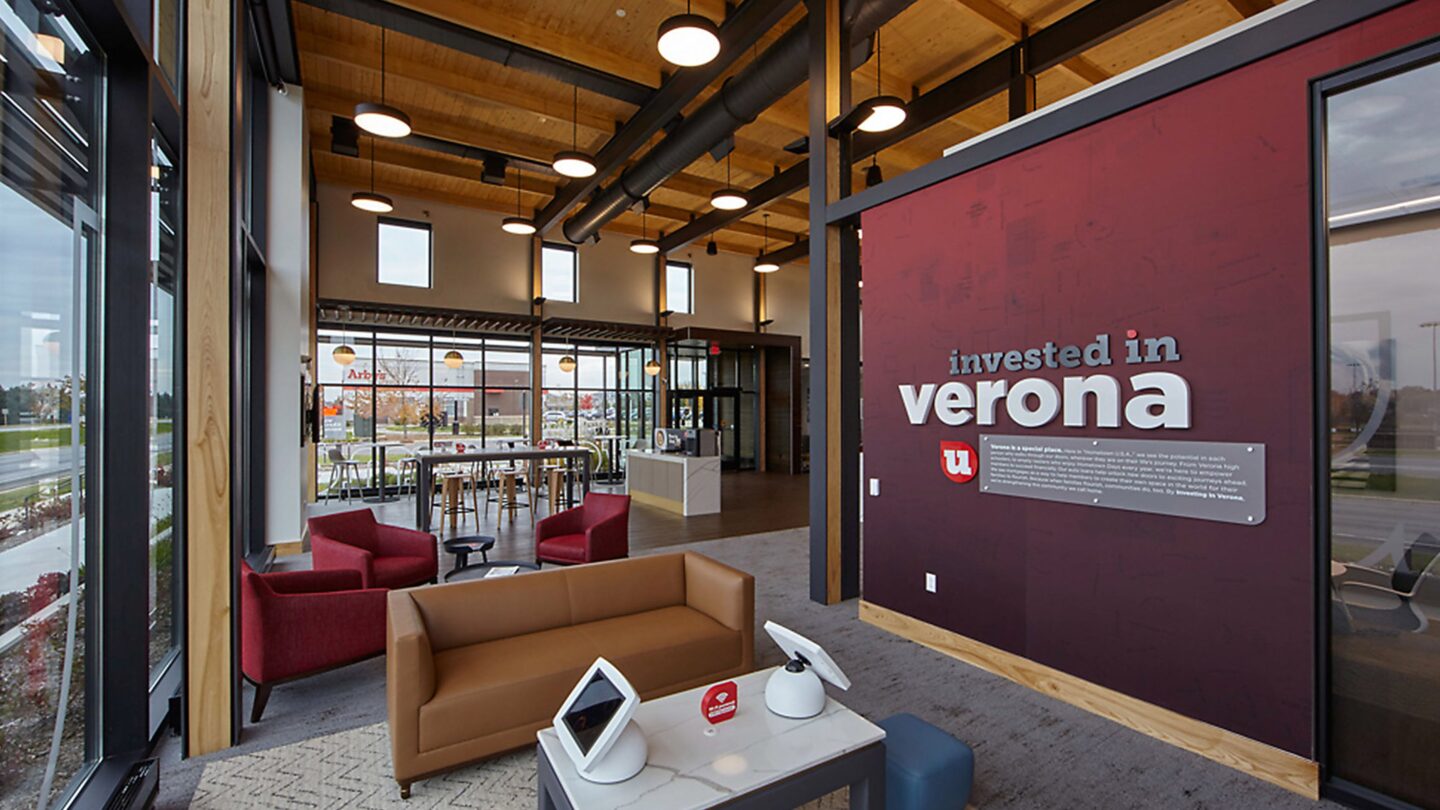
The modern branch serves a very different purpose than the transaction-focused locations of the past. For banks and credit unions, today’s branch represents a front door for acquisition, a destination for financial advice, a place for human service when customers need support, and a hub for building relationships. This evolution has important implications for the form and function of branches. If the branch is no longer primarily a place to cash checks or make deposits, institutions must rethink the environments they create. Spaces should prioritize engagement, consultation, hospitality, and relationships rather than processing transactions.
That shift in how consumers use branches also changes how institutions measure success. The most effective branches are increasingly evaluated on customer acquisition, cross-sell, and relationship-building rather than transaction volume. While branches rise in strategic importance, many are not delivering on their full potential. This branch performance gap represents a disconnect between what branches are capable of achieving and the experience customers actually receive. The gap typically appears in two areas: design and customer experience, and marketing activation.
Designing for Distinction
As consumers compare every experience they have, banks are no longer competing only with other financial institutions. They’re competing with brands like Apple, Starbucks, and Trader Joe’s – all brands that have raised expectations for hospitality, convenience, and customer engagement. Branch design must keep up by doing many things at once. “The most effective branch designs don’t focus on individual elements in isolation,” says Juliet. “Effective spaces bring together branding, hospitality, technology, and human interaction to create experiences that feel intuitive, welcoming, and uniquely reflective of the communities a bank serves.”
Creating Meaningful Marketing
Financial institutions invest significant dollars in their branch networks while simultaneously dedicating resources to marketing. Yet many fail to connect those two key investments in a meaningful way. As a result, one of an institution’s most visible and valuable assets remains underutilized. The opportunity for banks lies not only in designing better experiences, but in transforming branches from passive service environments into active marketing channels. Through intentional content strategies, journey planning, and zonal communications, branches reinforce brand messaging, support cross-sell, educate customers, and deepen engagement.
The branch renaissance is no longer a future trend – it’s already underway. The institutions that will benefit most are those that move beyond simply maintaining branches and instead transform them into engines for connection and momentum. “The branch is often viewed as a delivery channel, but it’s also one of the most powerful marketing channels a financial institution has,” according to Juliet. “When institutions align environmental design, customer experience, and in-branch communications, every visit becomes an opportunity to strengthen relationships, create relevance, and drive growth.”
To learn more about using your bank or credit union branches to drive growth, get in touch with Adrenaline’s brand-to-branch experts to start the conversation.
Adrenaline is an end-to-end brand experience company serving the financial industry. We move brands and businesses ahead by delivering on every aspect of their experience across digital and physical channels, from strategy through implementation. Our multi-disciplinary team works with leadership to advise on purpose, position, culture, and retail growth strategies. We create brands people love and engage audiences from employees to customers with story-led design and insights-driven marketing; and we design and build transformative brand experiences across branch networks, leading the construction and implementation of physical spaces that drive business advantage and make the brand experience real.