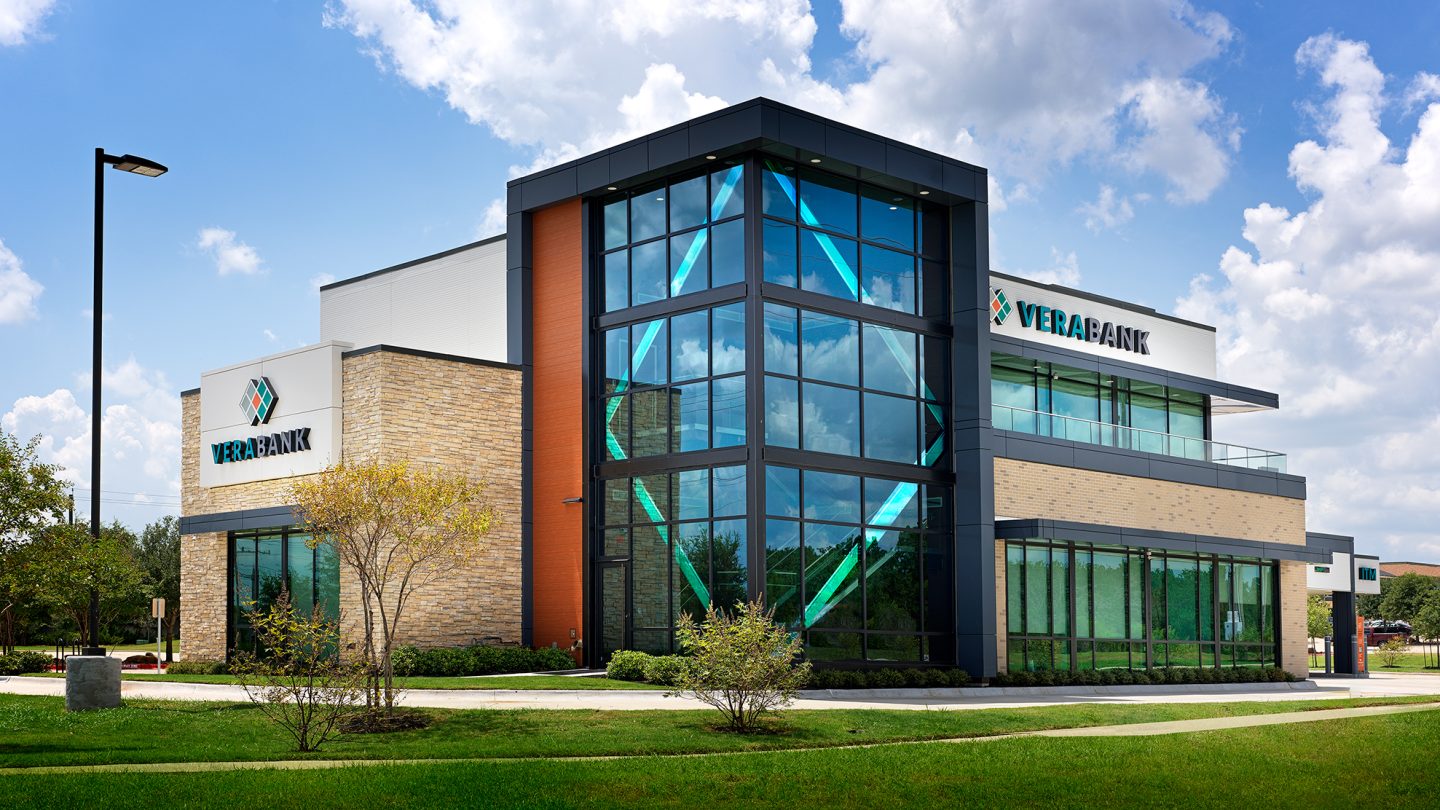
Everywhere you look, financial institutions are investing heavily in their retail networks. Branching is so ubiquitous that Bank of America recently announced plans to open more than 150 new branches, including 70 this year alone. BMO is opening 145 new locations in California and Arizona. Bank of Montreal will add 15 new branches in Arizona, bringing its total in the state to 62. And Regions Bank will accelerate its plan to open new branches across the Southeast. Regions CEO John Turner explains, “It was a seven-year plan, and now it’s five. It might be four if we can acquire properties faster.” The reason? More competition from JP Morgan Chase, PNC, Truist, and other institutions moving into Regions’ territory.
In an era where people depend on digital tools for paying bills, depositing checks, and moving money, the renaissance in branch banking might seem counterintuitive. But digital migration is why banks are shifting strategies for retail locations. Bank of America’s CEO Brian Moynihan says, “The transactional side of the branches went down and the relational side of the branches went up.” Banks are moving from a focus on routine transactions to providing counsel and building customer loyalty. “These financial centers provide our clients more opportunity to meet face-to-face with our teams to discuss their goals, build trusted relationships, and receive personalized guidance,” says Aron Levine, BMO’s U.S. president, in Banking Dive.
Branch Banking from Boomers to Gen Z
Most Americans want a bank branch nearby – even if they don’t go in very often. Drive Research’s 2025 Banking Trends and Statistics found that 71% of Americans want in-person access to their bank. The same report finds that 42% of consumers seek out bank experts for trusted advice. And the data holds across generations. In Why Bank Branches Still Matter, RFI Global’s Tiffany Ng notes that Boomers, who grew up with branches, value their banking relationships and see bank branches as “trusted spaces to navigate complex decisions with human advisors.” Gen Z, who generally have “skepticism toward automated advice,” also prefer walking into a branch for help. Even Millennials and Gen X crave the human touch.
While younger consumers may be digital-first, they’re not digital only. Verint found that 45% of Gen Z won’t open an account at a branchless bank. And Adrenaline’s Winning Gen Z reports that “the craving for genuine relationships is a strategic opportunity for banks and credit unions.” Personal finance is, after all, personal. The report adds that when this generation “needs clarity, guidance, or support, they are more likely than other generations to seek human-led experiences – in branches, through trusted relationships that digital channels alone cannot match.” And when they get financial advice? A whopping 76% act on those recommendations, according to JD Power’s 2024 U.S. Retail Banking Advice Satisfaction Study.
Retail Bank Branches Are Growth Engines
Even in a digital-first world, a physical bank presence accelerates institutional growth. “A bank with eight branches in a market gains more than twice as much in deposits as a bank with four branches in the same market,” according to the American Bankers Association. “Those disproportionate gains continue accruing.” But presence alone doesn’t drive these gains; purposeful branches do. Modern bank branches serve as a brand presence in a market and a financial resource for communities. Even more, branches are increasingly hubs for financial education, especially for younger generations as they manage their money or save for a new home. People value face-to-face financial guidance for life’s big milestones – like securing a mortgage, navigating estate planning, or restructuring debt.
Branches are also essential for small business owners who can benefit from banking expertise – people who understand their business and can advise on payment processing and merchant accounts, lines of credit, and optimal strategies for succession planning. Indeed, the relationship manager model in branch banking offers business owners a genuine financial advisor to nurture their business and help it scale – or sell. These relationships also become brand-building opportunities for banks. From becoming valued community assets to partnering with local businesses for philanthropy and community events, having bankers – who are part of and active in the community – helps build trust and creates word-of-mouth that drives growth.
Branch Banking Across Generations
Today’s savvy banks are investing in branch banking far more strategically. Networks are tiered based on opportunity. At the individual branch level, rows of teller lines are being replaced by open floorplans, flexible seating arrangements, and private spaces for sensitive financial conversations – in an environment that feels human rather than institutional. While it’s true that what Gen Z needs is different from what Boomers need from a banker, branches built around advice create space for conversations, no matter what stage of life a customer is in. A branch that can genuinely serve all demographics becomes a durable asset and a powerful tool for retaining existing customers and acquiring new ones.
Believe in Banking is Adrenaline’s insights-led resource, created to inform, educate, and inspire leaders in financial services. Delivering credible content rooted in research, the platform highlights the forces shaping the future of banking. From perspectives on emerging trends to podcast interviews with industry trailblazers, this purpose-driven channel helps banking leaders learn, lead, grow, and thrive.