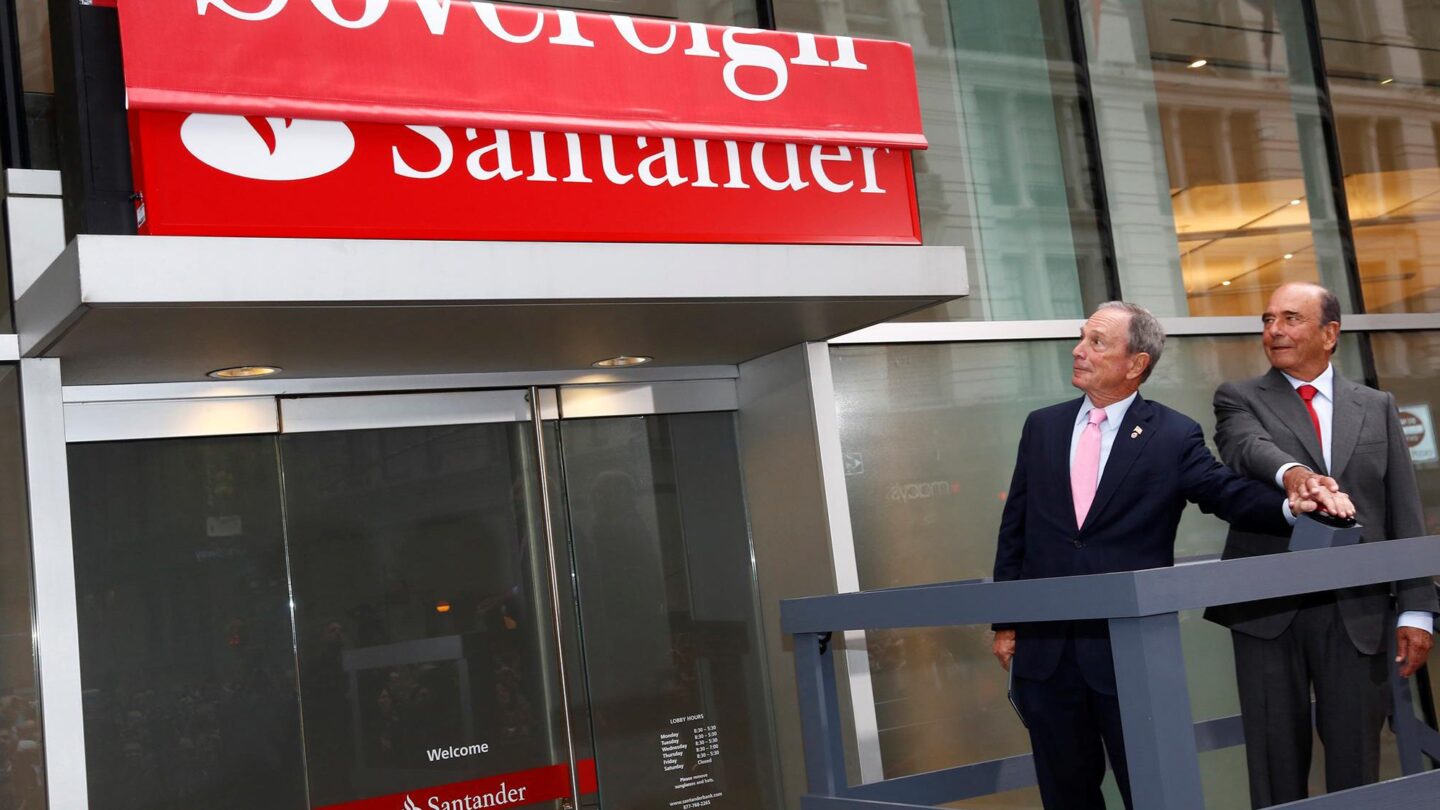
Four Key Processes in Branch Interior Rebrands Following Mergers & Acquisitions
Master regional bank rebranding after a merger with our 4-step branch interior design process. Plan, design, implement, and manage your branch branding.
Regional bank mergers and acquisitions are accelerating, creating complex branch rebranding challenges that extend far beyond new signage. With 69% of consumers wanting a branch within 15 minutes and preferring in-person experiences for critical financial decisions, getting your post-merger branch interior rebrand right is essential for customer retention and loyalty.
- Follow a four-step framework: Successful rebrands require planning, strategic design, coordinated implementation, and robust real-time management across all branch locations.
- Community banks need specialized strategies: Smaller institutions must balance limited budgets while preserving brand heritage and customer relationships that provide competitive advantages.
- Floor plans are brand strategy: Modern consultation-focused layouts with “hub and spoke” configurations facilitate relationship-building conversations rather than transaction-heavy designs.
- Align physical space with brand identity: Every spatial decision must reflect your brand positioning and create cohesive experiences across your network.
Branch Branding After a Merger: Four Key Rebranding Steps
Regional mergers and acquisitions (M&As) in banking are on the rise as financial institutions look for smart strategies to scale their organizations, combine their community and commercial focus, and expand their geographic footprints into desirable and growing metro service areas. With merger and acquisition activity expected to pick up considerably over the next few years, banks will be facing the increasing prospect of integrating both their brands and their branches into a cohesive customer experience that exceeds consumer expectations post-merger.
In today’s competitive environment, where banks are making critical decisions about their branch networks, rebranding of branches and making critical upgrades have real-world impacts. While many have anticipated the death of the branch, the reality is that branches support communities, and consumers’ most critical decisions – opening an account and building relationships – are centered around the branch. Recent data from 2024 supports the central role branches play, as the majority of consumers prefer to resolve account issues, open a new account, and apply for loans in person at a branch, and 69% want that branch within 15 minutes of them.
While consumers expect good experiences at the branch, newly merged banks are at the forefront of delivering that experience in a chaotic and often disruptive post-merger environment. Often underestimated in scope and scale, each individual branch has dozens of elements to address and align to (sometimes entirely new) brand standards, well beyond merely migrating external signage. Depending on the size of the branch network, that can be hundreds (or thousands) of distinct brand assets to align across your branch network. Considerations extend far beyond signage and logos: they also include branch interior design factors like palettes, carpet, and fixtures that express your brand in the branch environment.
Balancing cost and timing with quality and brand integrity is a strategic priority for all financial brands. To understand the decision-making process needed to make branch rebranding a success, here are four key considerations for strategic planning and prioritization to enhance and optimize branch experiences for customers and staff alike.
Step 1: Planning Your Branch Interior Design Strategy
Before any interior rebrand process can begin, banks must understand what they have. Each branch must undergo an asset survey and site audit with data collected, documented, and organized into a cohesive and comprehensive plan. Next comes coordinating asset placement within a tagged floor plan for each site. Expert analysts score each location’s conditions and branch health. Access to real-time information is critical for key stakeholders throughout the branch conversion process, including daily analysis and quality control checks.
Step 2: Designing Your Post-Merger Branch Branding
Following the gathering of information, financial institutions must allocate investment and conversion decisions based on a bank branch’s current condition and performance, aligned with market opportunity. Once these decisions are made, leaders should involve staff, customers, and stakeholders in creating the branded experience inside the branch. The design phase includes sign family design application; site-specific brand book development; client review and approvals; and customized site-by-site program-level tracking and status reporting in real time.
Step 3: Implementing Your Bank Branch Interior Design
The success of a branch rebrand depends on the design itself, but it also relies on execution that involves external partners and stakeholders. While most implementations focus on critical upgrades, rebranding after a merger is an ideal time to make process efficiency improvements. When implementing a brand into the branch environment, financial institutions will need to coordinate architects, industrial designers, product engineers, and program experts to ensure design integrity and cost efficiency. This fully integrated process, which can be managed by Adrenaline, choreographs on-site management of multiple supplier partners, continuous assessment of risk, and in-person and/or virtual reviews of progress.
Step 4: Managing Your Rebranding After a Merger
Robust and real-time management is especially important with multiple sites across a wide network to make sure a project can reach completion. The larger the branch network, the more complicated the branch conversion can get, driving a critical need for an updated, responsive way to manage and coordinate all brand assets – including bank branch floorplans, 3D walkthroughs, and current photos – over multiple locations. Adrenaline amp is an asset management solution that brings consistency to your conversion and beyond. For post-M&A branch interior rebrands, Adrenaline also coordinates upgrades to avoid confusion, reduce oversights, and stay on schedule.
Branch Bank Floor Plan Considerations During M&A
A strategic bank floor plan with efficient traffic flow and intentionally placed service areas naturally guides customers, meeting their needs and encouraging return visits. During M&A, acquired branches often feature outdated floor plans designed for transaction-heavy banking rather than today’s consultation-focused model. In fact, transactions are decreasing by about 5% per year in branch networks due to digital convenience.
Smart M&A rebranding considers how spatial layout supports your new brand promise. A popular modern branch design trend is a “hub and spoke” model with central seating and counter areas surrounded by smaller pods for comfortable consults. Many institutions are minimizing transaction stations and turning toward casual café settings with lounges.
Floor plan decisions made during M&A rebranding directly impact operational efficiency, staff productivity, and whether customers perceive your brand as a transactional provider or a trusted financial partner. When you’re thinking through branch layout and branch interior design, ask yourself: Does this floor plan facilitate the relationship-building conversations your brand emphasizes?
Aligning Physical Space with Your New Brand Identity
When rebranding acquired branches, physical space must authentically reflect your brand positioning. This includes colors and logos, but also the environment, like directions, signage, and service stations. Consider whether your new brand identity emphasizes transparency and approachability or premium expertise and privacy, then design spatial elements accordingly.
Open floor plans and staffing models allow customers to choose their journeys and help clients feel more comfortable and relaxed when they come in for advisory services. They enhance accessibility, allowing for smooth navigation and encouraging staff-customer interaction.
User-friendly designs minimize friction points through intuitive wayfinding, clear signage, and logical layouts
No matter what bank branch interior design approach you apply, remember: The most successful M&A rebrandings ensure every spatial decision reinforces the cohesive brand experience you’re working to establish across your combined network.
Next Steps With Your Branch Rebrand
Branch interior rebrands following mergers and acquisitions represent significant undertakings that demand strategic planning, thoughtful design, coordinated implementation, and ongoing management. Whether you’re a regional bank expanding your geographic footprint or a community bank balancing heritage preservation with growth objectives, the fundamentals remain the same: successful branch branding after a merger requires treating your physical spaces as critical brand touchpoints that must authentically reflect your positioning and values.
By following our strategic framework and keeping customer experience at the center of every decision, you can transform the complexity of post-merger branch rebranding into a competitive advantage that sets your institution apart.
At Adrenaline, we help you navigate branch rebrands with end-to-end brand experience solutions designed specifically for the financial industry. To learn more about the branch conversion process and interior rebrand conversions following mergers and acquisitions, or to speak to one of our industry experts, contact us.